
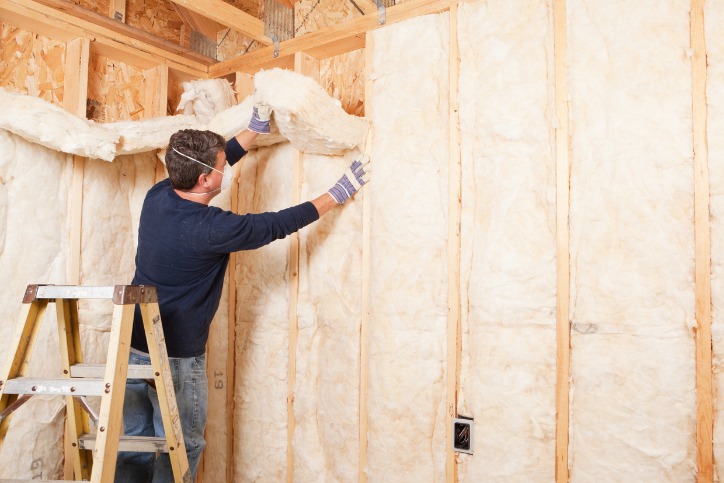
Why Indoor Air Quality Matters More in Winter
When winter sets in across southeastern Wisconsin, homes naturally get sealed up to keep the cold out. Windows stay shut, furnaces work overtime, and everything indoors gets a little more contained- including the air we breathe.
Indoor air quality refers to the condition of the air inside your home and how it affects health, comfort, and day-to-day living. During winter, indoor air quality often declines because fresh air exchange is limited, heating systems run constantly, and drafts pull in dust and pollutants from outside and inside wall cavities.
Poor indoor air quality can lead to dry air, lingering odors, excess dust, and irritated sinuses or allergies. What many homeowners do not realize is that insulation plays a major role in all of this. Proper insulation helps control airflow, moisture, and temperature. At JB Custom Drywall, we view insulation as part of a whole home system that works together with drywall, paint, and remodeling to create healthier, more comfortable homes during Wisconsin winters.
What Is Indoor Air Quality and What Affects It in Wisconsin Homes?
Indoor air quality refers to how clean and comfortable the air inside your home actually is. When air quality is good, humidity stays balanced, airflow is steady, and fewer airborne irritants circulate through the space. When it’s not, homes often feel dry, dusty, or stuffy- even when the thermostat is set correctly.
Several factors influence indoor air quality in Wisconsin homes:
- Air leaks that allow outdoor dust, insulation fibers, and pollutants to enter
- Poor insulation that creates cold surfaces and uneven temperatures
- Moisture and humidity issues caused by condensation or trapped air
- Dust, allergens, and outdoor pollutants pulled in through gaps and cracks
Wisconsin homes face unique challenges. Long heating seasons, older construction, and temperature differences between floors all stress a home’s outer structure. While insulation is often associated with energy efficiency, it also plays a key role in maintaining healthy indoor air quality throughout the winter.
What Impacts Indoor Air Quality in Cold-Climate Homes?
In cold-climate homes, tighter construction and balanced airflow make it easier to control indoor air quality. Insulation helps regulate how air moves and where it enters the living space.
How Poor Insulation Harms Indoor Air Quality
Poor insulation does more than increase heating bills. It directly contributes to indoor air quality issues. When insulation is missing, damaged, or poorly installed, air moves freely through walls, ceilings, and floors.
Air leaks allow dust, pollen, and pollutants to enter your home. Cold air infiltration forces heating systems to run longer, which dries out indoor air. Moisture can enter through poorly insulated areas, increasing the risk of condensation and mold.
One common issue is known as the stack effect. Warm air rises and escapes through the upper portions of the home. As it leaves, cold air is pulled in from basements, crawl spaces, and wall cavities. That incoming air often carries dust, odors, and moisture that negatively affect indoor air quality.
Cold wall surfaces caused by poor insulation can lead to condensation. Over time, this moisture may result in musty odors or mold growth. Comfort and indoor air quality are closely linked. When insulation underperforms, both are impacted.
How Proper Insulation Improves Indoor Air Quality
Properly installed insulation supports healthier indoor air quality in several important ways.
Reduces Air Leaks and Drafts
Quality insulation blocks many of the hidden pathways where outside air enters the home. With fewer drafts, there are fewer opportunities for pollutants and allergens to move indoors. Controlled airflow leads to better indoor air quality and improved comfort.
Helps Control Moisture
Insulation keeps interior surfaces warmer, which reduces condensation. Less condensation lowers the risk of mold and mildew, two common contributors to indoor air quality problems during winter.
Supports Balanced Indoor Air
Insulation works alongside heating and ventilation systems to maintain even temperatures. Rooms feel more consistent, reducing airflow imbalances that stir up dust and dry out the air.
Creates a Cleaner, Healthier Living Environment
When uncontrolled air movement is reduced, dust settles instead of circulating through the home. Fewer allergens enter from outside, helping protect indoor air quality for everyone living there.
Why Insulation and Air Sealing Work Best Together
Insulation alone can’t solve every indoor air quality issue. Air sealing plays an important role alongside it. Even high-quality insulation won’t perform as intended if air can move freely around it.
Common air leakage points include attics, basements, rim joists, and areas around windows, doors, and wall penetrations. Sealing these gaps first allows insulation to work as intended.
At JB Custom Drywall, insulation and air sealing are treated as a combined system. Addressing both at the same time delivers better indoor air quality, improved comfort, and long-lasting performance during Wisconsin winters.
Insulation, Drywall, and Paint: A Whole Home Approach to Indoor Air Quality
Drywall plays an important role in controlling indoor air quality. Cracks, gaps, and damaged drywall allow air to move between wall cavities and living spaces. That air movement brings dust, insulation particles, and cold air into the home.
Professional drywall repair restores the air barrier within the home. Paint and finishes further help seal surfaces and limit air movement. When insulation, drywall, and paint work together, the home becomes easier to control and healthier to live in.
JB Custom Drywall takes a whole-home approach to comfort. By addressing drywall, insulation, air sealing, and finishing work together, we help create healthier indoor air and a more comfortable living space.
Signs Your Wisconsin Home May Have Indoor Air Quality Issues
Homeowners often notice indoor air quality problems before they know the cause.
Common signs include:
- Drafty rooms or cold floors
- Uneven temperatures between rooms
- Excess dust buildup
- Musty or stale odors
- Condensation on windows or walls
- Higher than expected heating bills
- Allergy or respiratory symptoms that worsen in winter
If several of these issues sound familiar, a professional evaluation can help identify the source.
Why Professional Installation Matters for Indoor Air Quality
Insulation only improves indoor air quality when it is installed properly. Gaps, compressed insulation, and missed areas reduce its effectiveness and allow air and moisture issues to continue.
Older Wisconsin homes require experience and attention to detail. Materials must be chosen carefully and installed correctly to work with existing framing and drywall. Skilled craftsmanship ensures insulation performs as intended and supports healthier indoor air quality.
A Healthier, More Comfortable Home Starts with the Right Insulation
Indoor air quality, comfort, and insulation are closely connected, especially during Wisconsin winters. Proper insulation and air sealing help keep pollutants out, manage moisture, and maintain consistent temperatures throughout the home.
At JB Custom Drywall, insulation is part of a complete home improvement approach that includes drywall repair, insulation installation, and finishing work designed to support healthier indoor air quality.
If your home feels drafty, dusty, or uncomfortable this winter, it may be time for a closer look. Contact JB Custom Drywall to have our team evaluate your insulation and help improve comfort and indoor air quality.
Frequently Asked Questions About Indoor Air Quality and Insulation
How does insulation improve indoor air quality?
Insulation helps improve indoor air quality by reducing uncontrolled airflow, limiting the entry of dust and pollutants, and supporting balanced indoor humidity. When air movement is better controlled, indoor spaces stay cleaner and more comfortable.
Can insulation really help with winter allergies?
Yes. Proper insulation and air sealing reduce the amount of outdoor allergens and dust entering your home. This can ease allergy symptoms that often worsen during winter when homes are sealed tightly.
Is poor indoor air quality common in older Wisconsin homes?
Very common. Older homes often have aging insulation, hidden air leaks, and outdated construction methods. These factors make it harder to control airflow and moisture, which directly affects indoor air quality.
Do I need new insulation or just air sealing?
Most homes benefit from both. Air sealing limits unwanted air movement, while insulation helps control temperature and moisture. A professional evaluation can determine what your home needs most.
How do drywall and paint affect indoor air quality?
Drywall and paint help form the interior air barrier of your home. When drywall is cracked or damaged, air and pollutants can move freely between wall cavities and living spaces. Proper drywall repair and quality paint help seal those surfaces and support better indoor air quality.
When is the best time to schedule an insulation audit?
Winter is an excellent time because drafts, cold spots, and air quality issues are easier to identify. Addressing problems during winter can immediately improve comfort and indoor air quality.
Recent Comments