
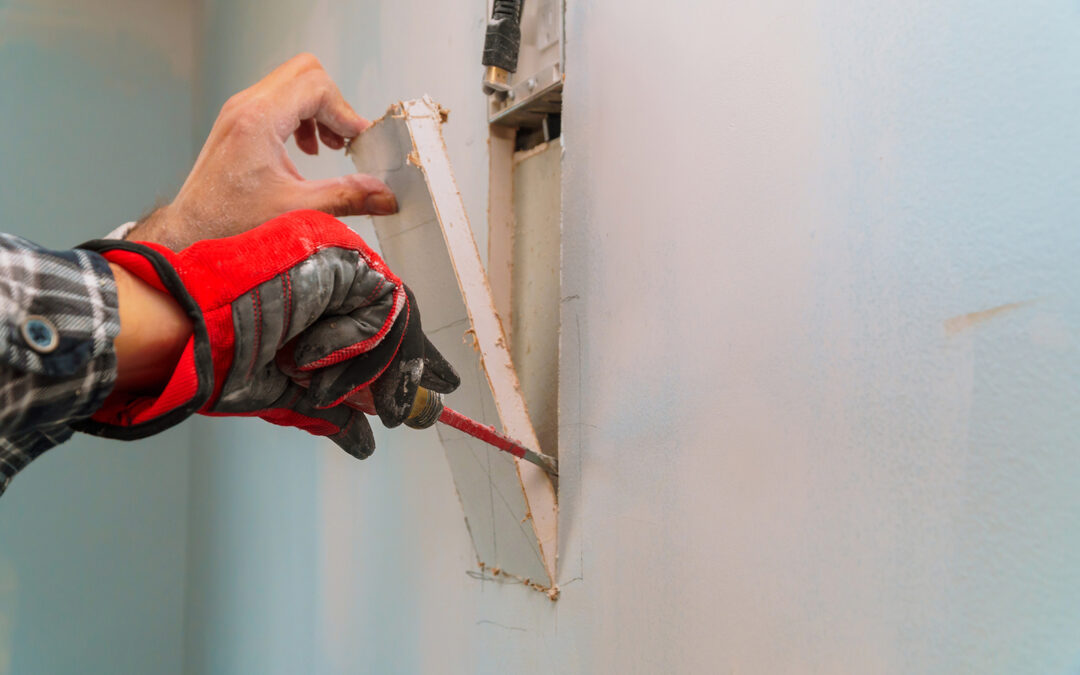
Drywall damage is easy to spot, but it is not always easy to know what to do next. A small dent, crack, or hole may only need a simple repair. Water damage, sagging, crumbling drywall, or repeated cracking may point to a bigger issue that requires replacement.
In many cases, drywall can be repaired when the damage is small, dry, and stable. Replacement may be the better choice when the drywall is soft, sagging, crumbling, repeatedly damaged, or affected by water.
JB Custom Drywall helps homeowners across Milwaukee, Menomonee Falls, Waukesha, and Southeastern Wisconsin determine whether damaged drywall can be patched and finished or whether replacement is the smarter long-term solution.
Quick Answer: Should You Repair or Replace Damaged Drywall?
The right answer depends on the condition of the drywall, the cause of the damage, and the finish you want after the work is complete.
Drywall repair may be enough if the damage is minor, isolated, and cosmetic. Drywall replacement may be needed if the material has been weakened, saturated, or damaged across a larger area.
Here is a simple way to think about it:
| Drywall Issue | Repair May Work | Replacement May Be Better |
|---|---|---|
| Small nail holes | Yes | Usually no |
| Minor dents or dings | Yes | Usually no |
| Small cracks | Often | If cracks keep returning |
| Small holes | Often | If the area is unstable |
| Water stains | Sometimes | If drywall is soft, swollen, or sagging |
| Ceiling damage | Sometimes | If the ceiling is bowing or crumbling |
| Large holes | Sometimes | Often, depending on size and location |
| Failed previous patches | Sometimes | If damage keeps coming back |
| Remodeling damage | Sometimes | If a larger section has been opened |
A professional drywall contractor can evaluate the damaged area and explain which option makes the most sense for your home.
When Drywall Can Usually Be Repaired
Drywall repair is often a good fit when the damaged section is limited and the surrounding wall or ceiling is still in good condition. A skilled contractor can patch the area, finish the surface, match the existing texture when needed, and prepare it for paint.
Drywall can often be repaired when you are dealing with:
- Nail holes
- Small dents
- Minor cracks
- Small holes
- Scratches or gouges
- Damage from furniture or doorknobs
- Minor seam issues
- Isolated ceiling blemishes
- Small areas of surface damage
These types of repairs are common in high-traffic areas such as hallways, living rooms, bedrooms, stairways, basements, and finished lower levels.
A professional repair can make the damaged area look clean again without removing more drywall than necessary.
When Drywall Should Be Replaced
Drywall replacement is usually the better option when the material itself has been compromised. If drywall is no longer firm, flat, or stable, patching over the surface may not solve the problem.
You may need drywall replacement if:
- The drywall feels soft or spongy
- The wall or ceiling is sagging
- The drywall is crumbling or breaking apart
- The damage covers a large area
- Water has soaked into the drywall
- Stains keep returning after paint
- Cracks continue to reopen
- The damaged area has been patched multiple times
- The wall was opened for plumbing, electrical, HVAC, or remodeling work
- The surrounding texture or finish cannot be blended well with a simple patch
Replacement does not always mean replacing an entire room. In many cases, only the damaged section needs to be removed, replaced, finished, textured, and prepared for paint.
Signs Water Damage Has Gone Beyond a Simple Patch
Water damage is one of the most common reasons drywall repair turns into drywall replacement. A small stain may look cosmetic, but moisture can weaken drywall and affect the surrounding finish.
Water-damaged drywall may need replacement when:
- The drywall is swollen
- Paint is bubbling or peeling
- The ceiling is sagging
- The wall feels soft
- The stain keeps spreading
- The texture is falling apart
- The drywall has been wet for an extended period
- The source of the leak has caused damage behind the wall or ceiling
Before repairing or replacing drywall, the source of the water should be addressed. That may involve a plumber, roofer, appliance repair professional, or water mitigation specialist, depending on the issue.
Once the area is dry and ready for drywall work, JB Custom can evaluate whether the damaged section can be patched or whether replacement will create a better result.
Why Texture Matching Matters
Drywall repair is not just about closing a hole or covering a damaged area. The finished surface needs to blend with the surrounding wall or ceiling.
This is where texture matching becomes important.
Many Milwaukee-area homes have existing wall or ceiling textures, such as orange peel, knockdown, or other custom finishes. If the texture is not matched properly, the repair may remain visible even after painting.
Texture matching is especially important for:
- Ceiling repairs
- Water damage repairs
- Older homes
- High-visibility rooms
- Large wall patches
- Repairs near windows or natural light
- Rooms with existing textured finishes
A clean drywall repair should look like it belongs in the room, not like a patch that was added later.
Repair vs. Replacement: What Affects the Scope of Work?
Every drywall project is different. The size of the damaged area matters, but it is not the only factor that determines whether repair or replacement is the right approach.
A drywall contractor will typically consider:
- The size of the damaged area
- Whether the drywall is dry and stable
- Whether there is water damage
- Whether the damage is on a wall or ceiling
- Whether the existing texture needs to be matched
- Whether the room needs paint after the repair
- Whether previous patches have failed
- Whether electrical, plumbing, or other work has opened the wall
- Whether the damage is connected to a larger remodeling project
For example, a small hole in a bedroom wall may be a straightforward repair. A sagging ceiling after a leak may require drywall removal and replacement. A basement remodel may call for new drywall installation rather than patching.
The goal is to choose the option that restores the space properly and avoids repeat issues.
What a Drywall Contractor Looks for During an Evaluation
When a drywall contractor looks at damaged drywall, they are not only looking at the surface. They are also evaluating the condition of the surrounding material and the likely cause of the damage.
A contractor may look for:
- Moisture or signs of past water exposure
- Soft or unstable drywall
- Cracks that suggest movement or settling
- Damage around seams or corners
- Loose or failing texture
- Previous patchwork
- Ceiling sagging or bowing
- The size and shape of the damaged area
- How the repair will blend into the surrounding surface
This evaluation helps determine whether the project is a patch, a larger repair, a replacement, or part of a broader remodeling need.
Drywall Repair Before Painting
If you are planning to repaint a room, it is smart to repair drywall first. Paint can refresh a space, but it will not hide holes, cracks, dents, rough patches, or uneven texture.
Before painting, consider addressing:
- Nail holes
- Wall dents
- Cracks
- Old patchwork
- Water stains
- Damaged corners
- Ceiling blemishes
- Texture inconsistencies
Repairing the drywall first gives the paint a smoother, cleaner surface and helps the final result look more professional.
Drywall Repair Before Selling Your Home
Visible wall and ceiling damage can affect how a home feels to potential buyers. Even small issues can make a room look unfinished or poorly maintained, especially in listing photos or showings.
Before listing your home, it may be worth repairing:
- Holes from wall-mounted items
- Furniture dents
- Cracks
- Water stains
- Ceiling damage
- Peeling or bubbling paint
- Old DIY patches
- Damaged drywall corners
For homeowners in Milwaukee, Waukesha, Menomonee Falls, and surrounding communities, drywall repair can be a practical way to help a home show better before it goes on the market.
Drywall Replacement During Remodeling
Drywall replacement is also common during remodeling projects. If walls or ceilings are opened for electrical, plumbing, HVAC, framing, or layout changes, new drywall may be needed to finish the space.
Drywall replacement may be part of:
- Basement finishing
- Kitchen remodeling
- Bathroom remodeling
- Room additions
- Wall removal or layout changes
- Ceiling repairs
- Insulation projects
- Repairs after mechanical updates
In these cases, drywall replacement is not just a repair. It is part of creating a finished room that looks clean, intentional, and complete.
Older Homes May Need a More Careful Approach
Many homes in the Milwaukee area have older wall systems, plaster, past repairs, or custom textures. These homes may require a more thoughtful approach than a basic patch.
Older-home drywall and wall repair may involve:
- Matching existing texture
- Repairing plaster-adjacent areas
- Blending old and new surfaces
- Fixing previous repairs
- Addressing cracks from settling
- Replacing damaged sections without disrupting more of the room than necessary
If you live in an older home in Milwaukee, Wauwatosa, Whitefish Bay, Shorewood, West Allis, Menomonee Falls, Waukesha, or nearby communities, it is especially important to work with a contractor who understands finish quality.
How JB Custom Helps Homeowners Choose the Right Option
JB Custom Drywall provides drywall repair, drywall replacement, finishing, texture matching, and related services for homeowners across Southeastern Wisconsin.
If you are unsure whether your damaged drywall should be repaired or replaced, JB Custom can evaluate the area and recommend the best next step based on:
- The type of damage
- The size of the affected area
- The condition of the surrounding drywall
- Whether water was involved
- The existing texture and finish
- Your goals for the room
- Whether the project is part of a larger remodel
The goal is to restore the wall or ceiling with a clean, professional result that fits your home.
FAQs About Drywall Repair and Replacement
Is it better to repair or replace damaged drywall?
It depends on the damage. Small holes, dents, and minor cracks can often be repaired. Drywall replacement may be better when the material is soft, sagging, crumbling, water-damaged, or damaged across a larger area.
Can water-damaged drywall be repaired?
Sometimes. Water-damaged drywall may be repairable if the source of the water has been fixed, the drywall is dry, and the damage is minor. If the drywall is soft, swollen, sagging, or crumbling, replacement may be needed.
How do I know if drywall damage is serious?
Drywall damage may be more serious if the wall or ceiling feels soft, if cracks keep returning, if there is sagging, or if water damage is involved. A professional drywall contractor can evaluate whether repair or replacement is the right option.
Can a drywall patch blend into the existing wall?
Yes, when the repair is properly finished and the texture is matched to the surrounding surface. Texture matching is an important part of making a drywall repair look natural after painting.
Should I repair drywall before painting?
Yes. Drywall should usually be repaired before painting so the finished wall or ceiling looks smooth and complete. Paint can cover color differences, but it will not fix holes, dents, cracks, or uneven texture.
Does JB Custom repair and replace drywall in Milwaukee-area homes?
Yes. JB Custom provides drywall repair, drywall replacement, finishing, and texture matching for homeowners in Milwaukee, Menomonee Falls, Waukesha, and the surrounding Southeastern Wisconsin area.
Not Sure Whether You Need Drywall Repair or Replacement?
You do not have to decide on your own. If your wall or ceiling is cracked, stained, dented, sagging, or damaged, JB Custom can help you understand the right next step.
Contact JB Custom Drywall to request a free estimate for drywall repair, drywall replacement, finishing, and texture matching in Milwaukee, Menomonee Falls, Waukesha, and nearby Southeastern Wisconsin communities.
Recent Comments