
Drafty rooms, uneven temperatures, and cold walls can all point to inadequate insulation. The good news is that in many homes, insulation can be added without tearing out every finished wall. The right approach depends on what is already inside the wall, how the cavity can be accessed, and whether moisture or damage is present.
Can Insulation Be Added to Existing Walls Without Removing Drywall?
Often, yes. Finished drywall does not automatically prevent a wall from being insulated.
Depending on the home’s construction, a contractor may be able to add insulation through strategically placed access points, from an unfinished area such as an attic or basement, or while the wall is already open as part of a remodeling project.
Common retrofit approaches may include:
- Blown-in insulation: Insulation can be introduced through access openings and distributed within the wall cavity.
- Access from unfinished areas: Some wall cavities may be accessible from an attic, basement, crawlspace, or other unfinished space.
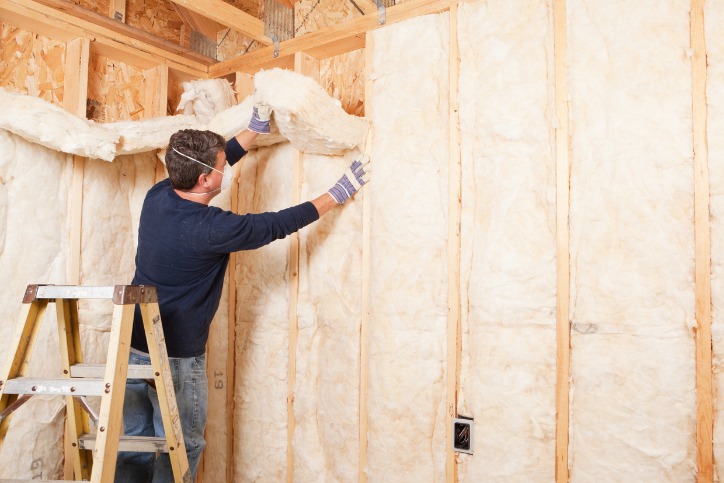
- Open-wall installation: If drywall is already being removed for remodeling or repair, insulation can be addressed before the wall is closed again.
The appropriate method depends on what is already inside the wall. Existing insulation, wiring, plumbing, framing, fire blocking, moisture, and the condition of the drywall can all affect how the project should be approached. When conditions allow, smaller access openings or access from unfinished areas may help reduce disruption.
The goal is to use the least disruptive approach that still provides proper access and allows the insulation to be installed correctly.
When Might Drywall Need to Be Opened?
Opening drywall is not necessarily a sign that an insulation project has gone wrong. Sometimes it is the most practical way to address hidden conditions or complete the work properly.
Drywall may need to be opened, repaired, or replaced when:
- Moisture or water damage is present: The source of the moisture should be addressed before insulation work continues.
- The drywall is deteriorated: Severely damaged or repeatedly patched areas may be better repaired or replaced.
- Remodeling is already underway: An open wall provides an opportunity to inspect and improve insulation before the drywall is replaced.
- Electrical or plumbing work is needed: Additional access may be necessary to address work inside the wall.
- Existing insulation needs attention: Wet, damaged, compressed, or improperly installed insulation may need to be addressed before additional insulation is added.
- The cavity cannot be adequately accessed: Framing, fire blocking, wiring, plumbing, or other obstructions can affect whether a cavity can be properly filled.
If drywall does need to be opened, the finished appearance still matters. Proper patching, texture matching, and finishing can restore the wall after the insulation work is complete.
This is one reason insulation and drywall expertise can be valuable on the same project.
What Happens During an Insulation Evaluation?
Before recommending an insulation solution, JB Custom starts with an evaluation of your home’s existing insulation and a discussion of your options. The process includes a free estimate, on-site evaluation, professional installation, and documentation for applicable incentives.
For existing-wall projects, the evaluation helps determine what your home needs and which insulation approach is most appropriate. The contractor considers factors such as the existing insulation, accessibility, and overall condition of the wall rather than assuming every area requires the same solution.
JB Custom provides residential insulation services including wall, attic, basement, crawlspace, and air-sealing work throughout Milwaukee, Waukesha, and surrounding Southeastern Wisconsin communities.
Eligible Wisconsin homeowners may qualify for 2026 Focus on Energy insulation and air-sealing rebates. Eligibility depends on factors including the home’s utility provider, heating source, property type, installation, and current program requirements.
Why Insulation and Drywall Expertise Matter Together
Insulation helps protect and improve the space behind your walls, while drywall provides the finished surface you see every day. When an existing wall needs to be opened for insulation work, the two services become closely connected.
Access openings may need to be patched, damaged drywall may need to be replaced, and existing textures may need to be matched. If a remodeling project already has walls open, insulation and drywall work can also be completed as part of the same project.
That is where JB Custom has an advantage. If an insulation project requires drywall to be opened, our team can handle the insulation and restore the finished wall, including patching, finishing, and texture matching. This allows homeowners to address both the work behind the wall and the finished surface as part of the same project.
For homeowners who need to repair finished surfaces after insulation or other access work, JB Custom also provides drywall repair services.
The goal is not simply to add insulation. It is to complete the project properly while considering the condition of the wall, the installation method, and the finished appearance of the room.
Questions to Ask Before Hiring an Insulation Contractor
Before starting an insulation project, homeowners should understand what the contractor found and why a particular approach is being recommended.
Consider asking:
- What insulation is already present in my walls?
- How will you determine which areas need additional insulation?
- Will my drywall need to be opened? If so, where?
- How will access points be repaired and finished?
- Are there moisture issues that need to be addressed first?
- What type of insulation is appropriate for this application, and why?
These questions can help you understand whether the contractor is evaluating your home’s specific conditions rather than recommending a one-size-fits-all solution.
FAQs About Adding Insulation to Existing Walls
Can You Insulate an Old House Without Removing the Walls?
Often, yes. Existing walls can sometimes be insulated through limited access openings or from accessible areas of the home. The right approach depends on the home’s construction, existing insulation, access, moisture conditions, and drywall condition.
Older homes may require additional evaluation because construction methods and previous renovations can vary significantly.
Does Blown-In Insulation Damage Drywall?
Not necessarily. Blown-in insulation typically requires small access openings in the drywall, but it does not usually require removing large sections of the wall. Once the insulation is installed, these access points can be patched, finished, and blended into the existing wall surface.
The amount of disruption depends on the wall construction and the installation method. A proper evaluation can help determine the best approach for adding insulation while keeping the impact on the finished wall as minimal as possible.
How Do Contractors Know Whether Walls Already Have Insulation?
A contractor may start by inspecting accessible areas and reviewing the home’s construction and renovation history. When needed, small exploratory openings can provide a closer look at what is inside the wall.
The goal is to confirm the condition and type of existing insulation before recommending whether additional insulation is needed. This helps ensure the right approach is chosen for the home.
What Happens if Moisture Is Found Inside the Wall?
Moisture should be addressed before insulation is installed or reinstalled. Depending on the source and condition, that may involve correcting a leak, allowing affected materials to dry, removing damaged insulation, or repairing damaged drywall.
The underlying moisture problem should be addressed rather than simply insulating over it.
When Is the Best Time to Add Insulation to Existing Walls?
Any time a wall is already open for remodeling or repair is a good opportunity to evaluate the insulation. With the wall accessible, insulation can often be added before the drywall is replaced.
Wall insulation can also be completed as a standalone retrofit when the wall cavities can be accessed appropriately. The best approach depends on the home’s construction, existing insulation, and how easily the wall cavity can be reached.
Not sure what is behind your walls? Request a free estimate from JB Custom to discuss your home’s insulation needs and find the right approach for your home.
Recent Comments